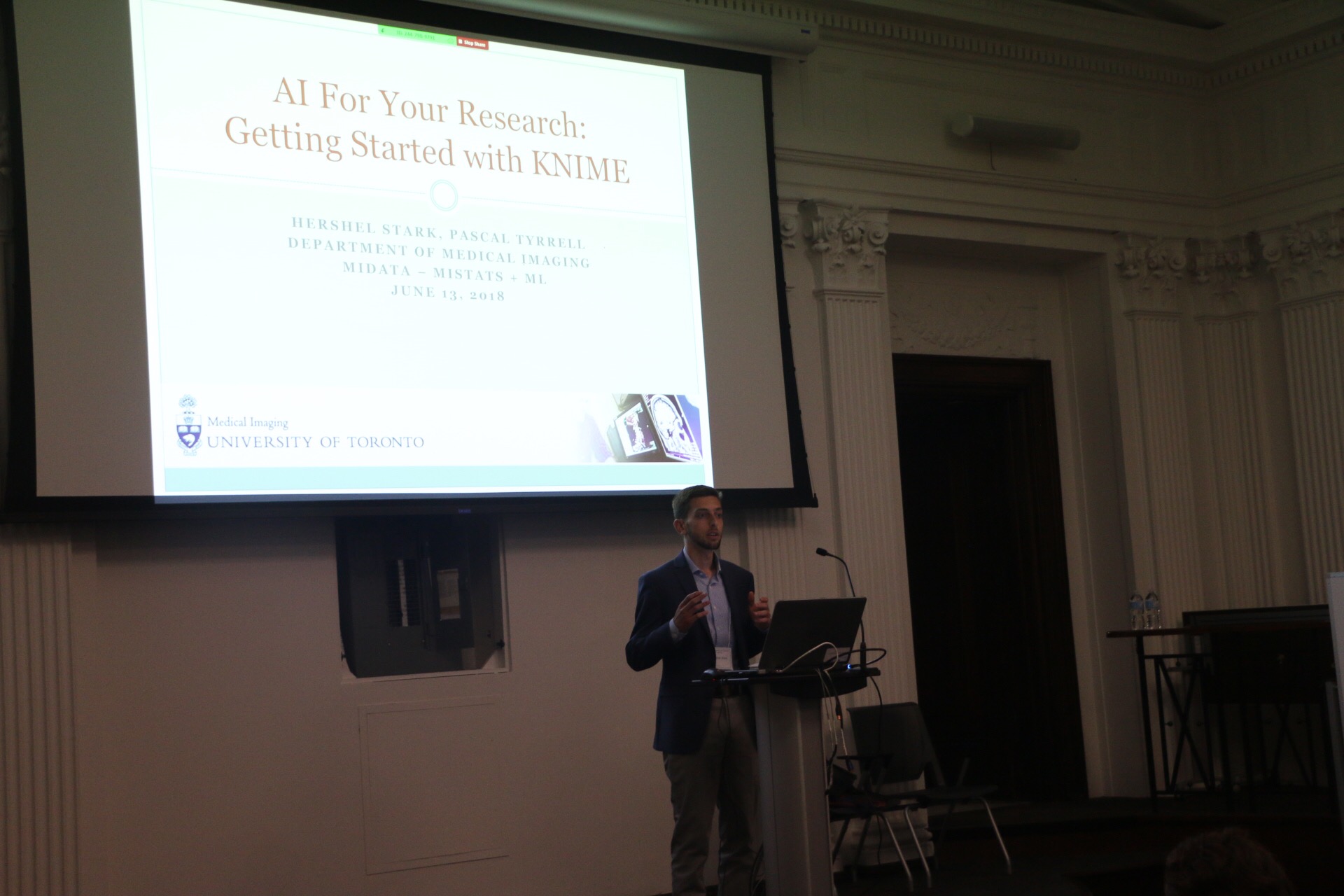
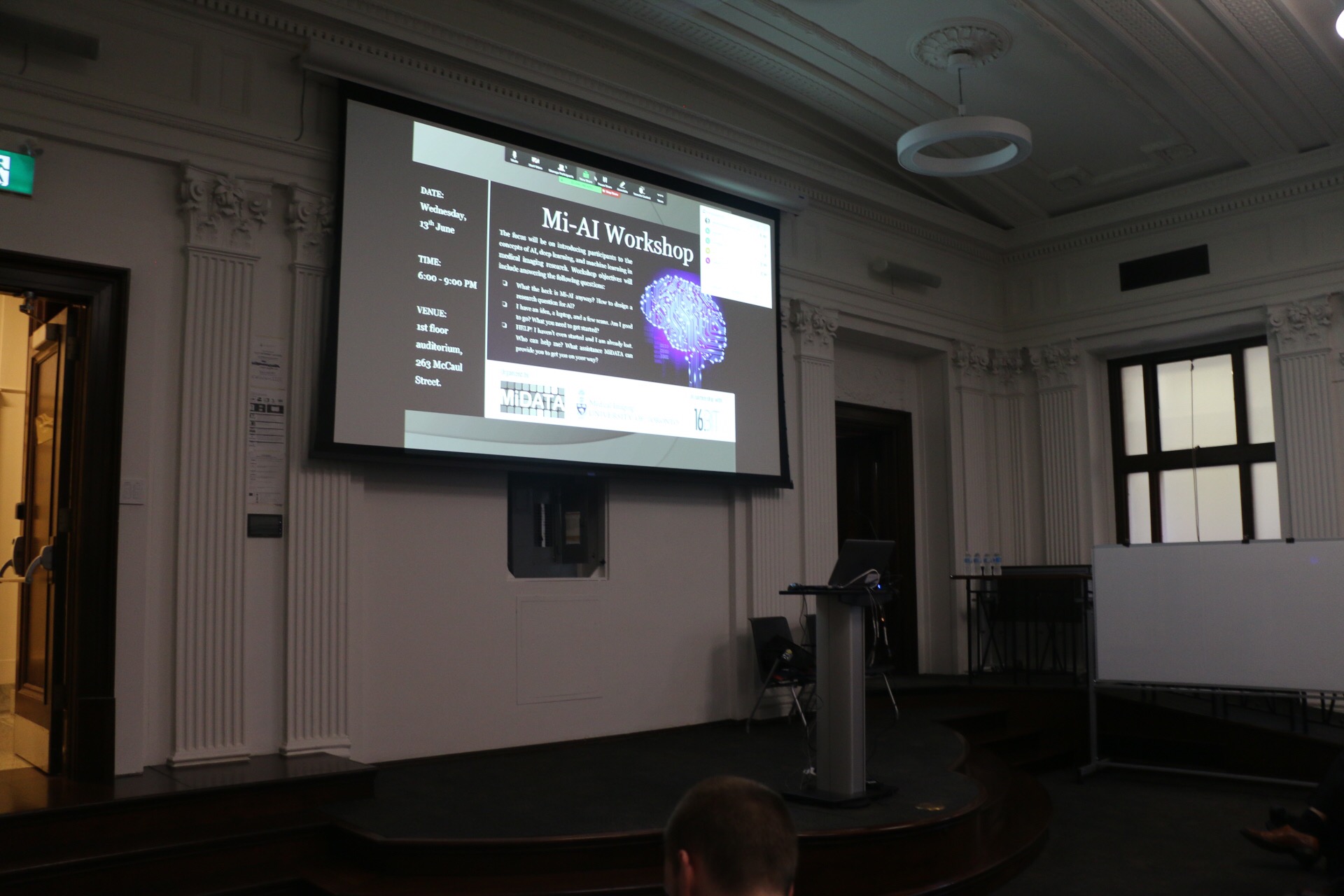
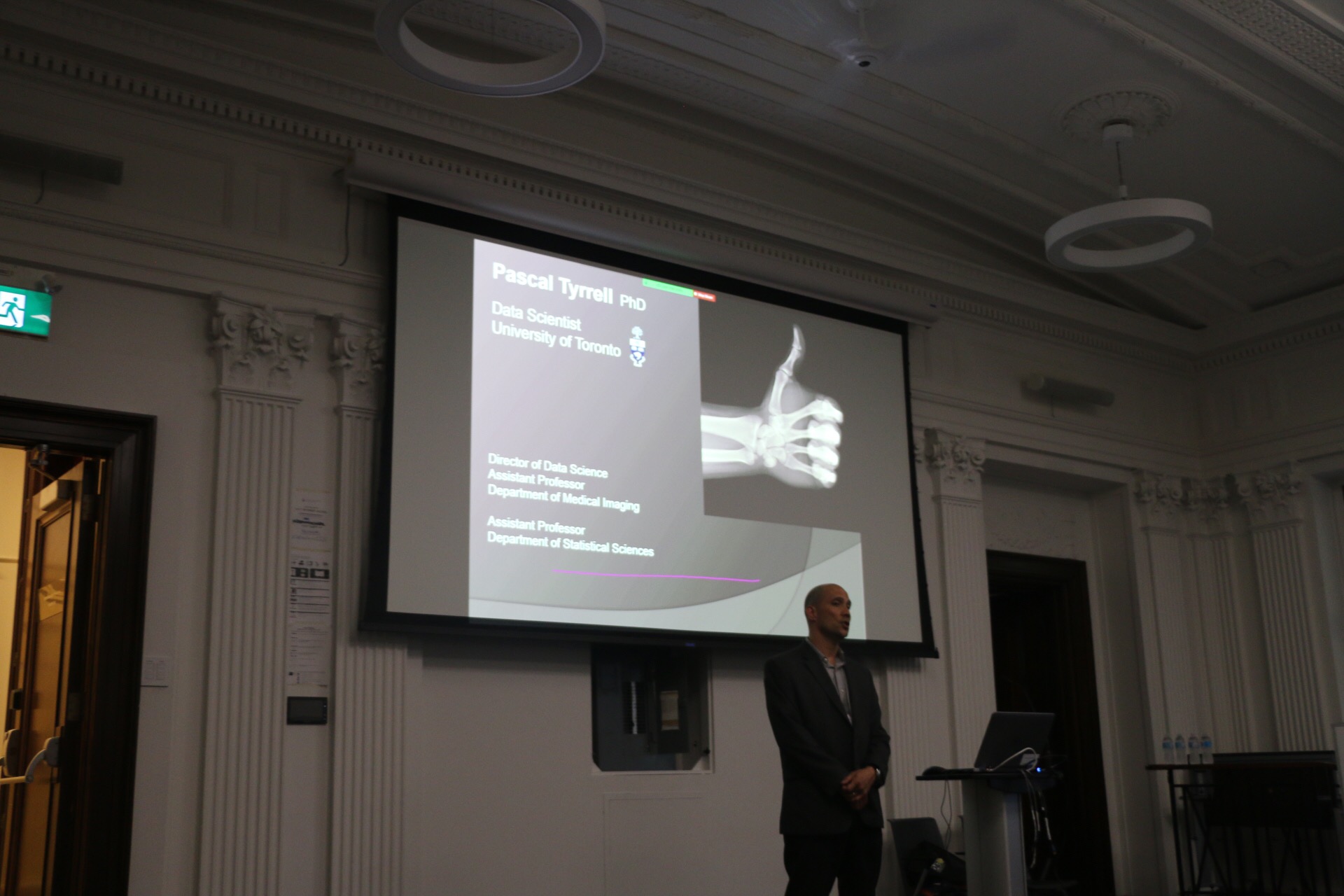
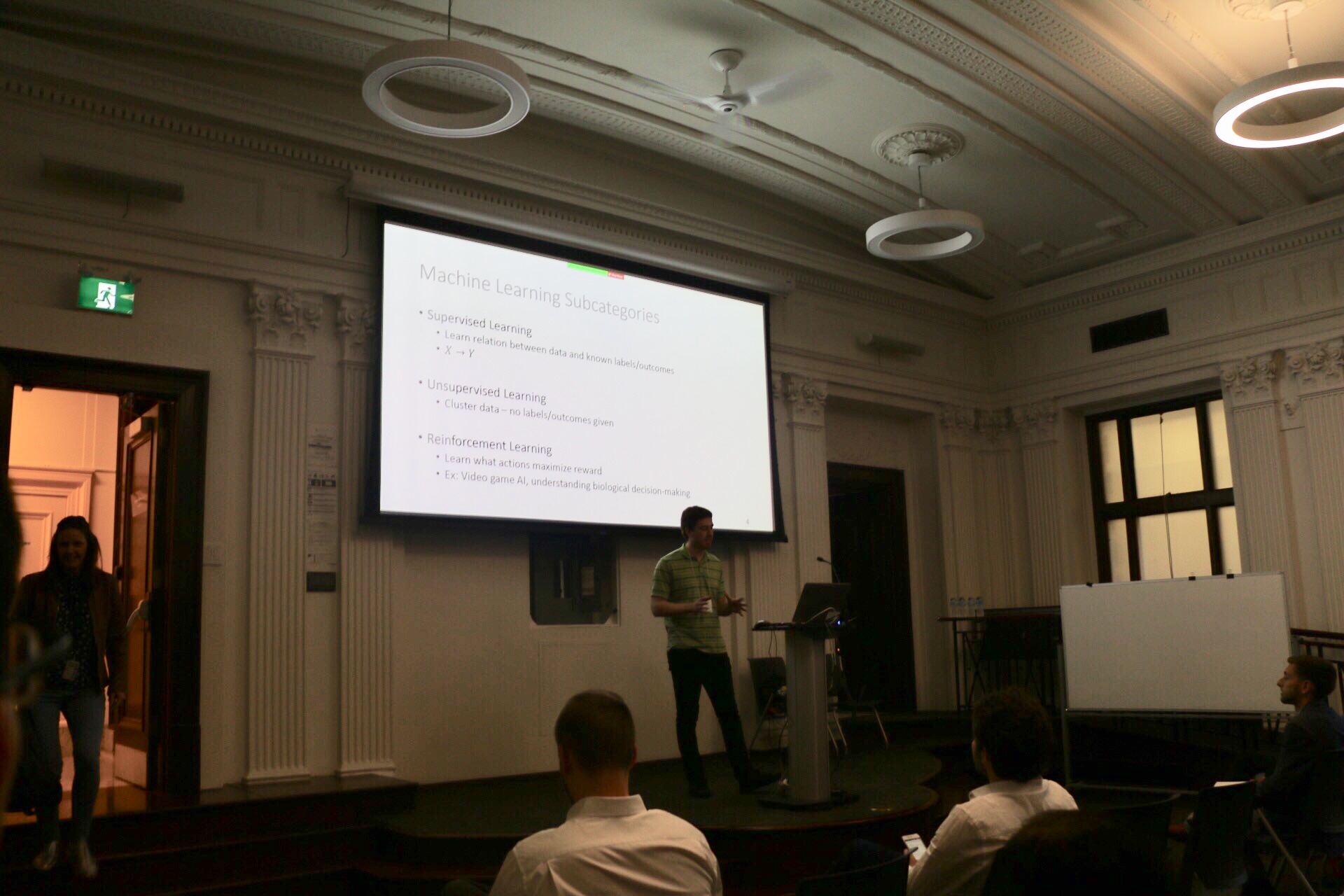
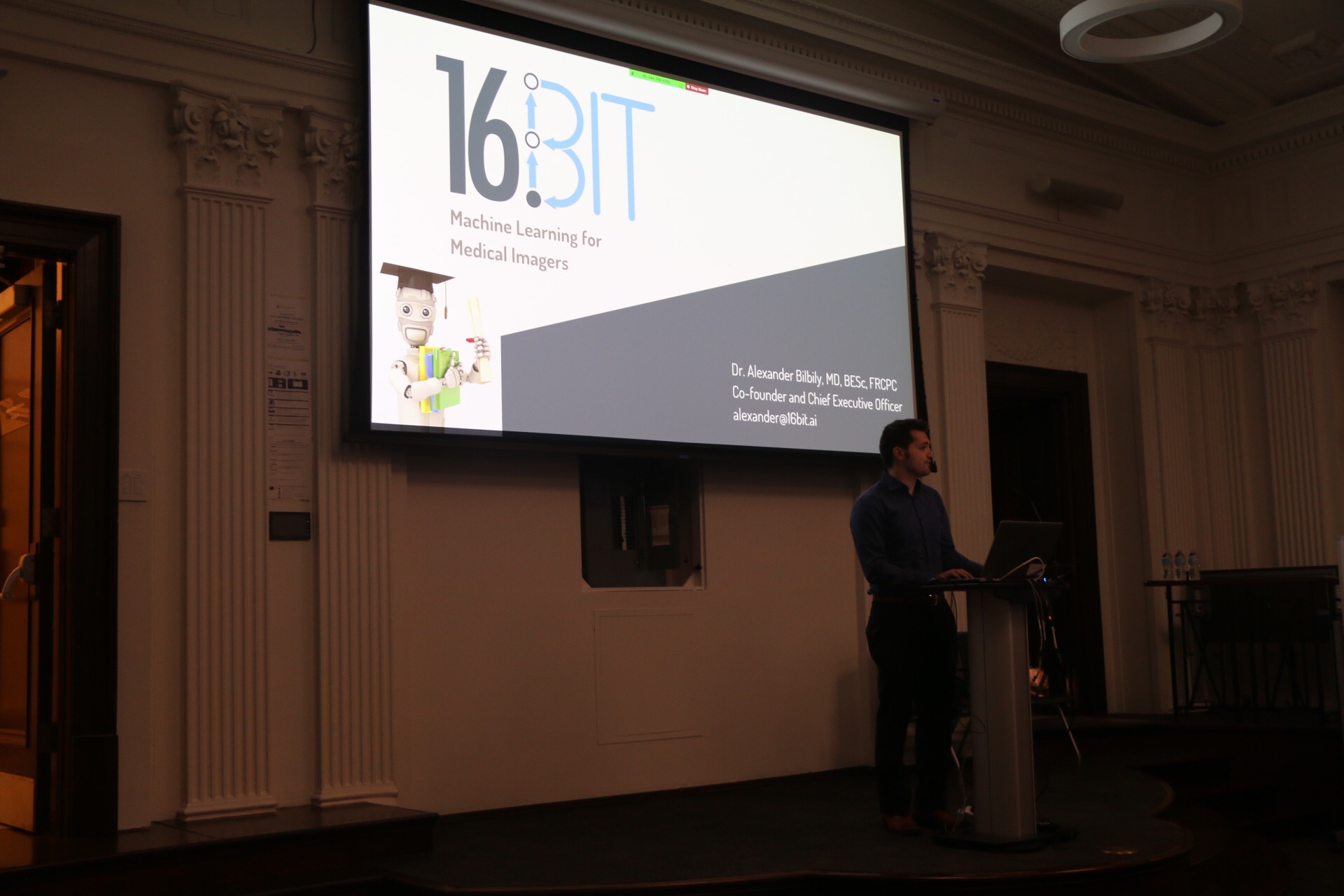
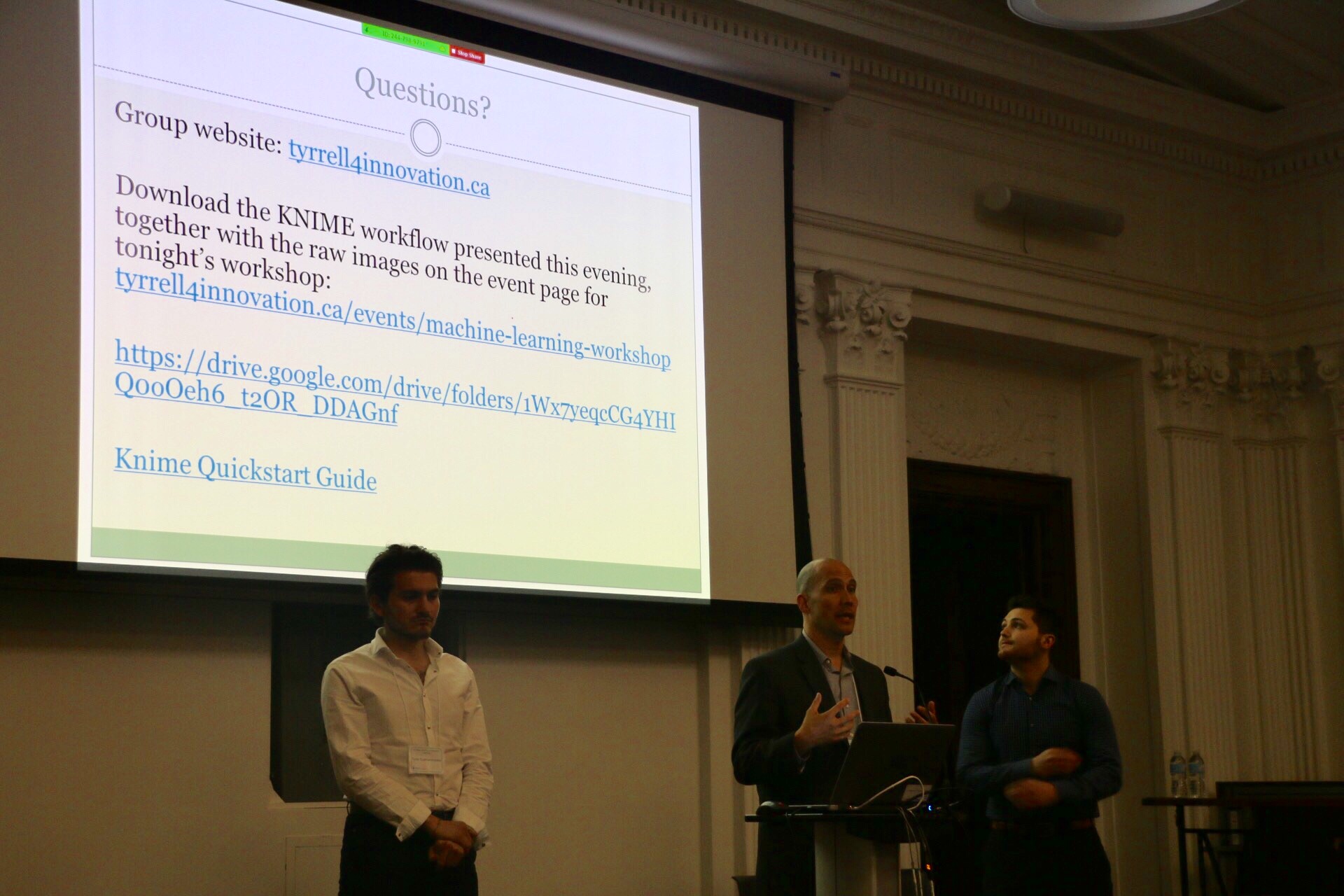
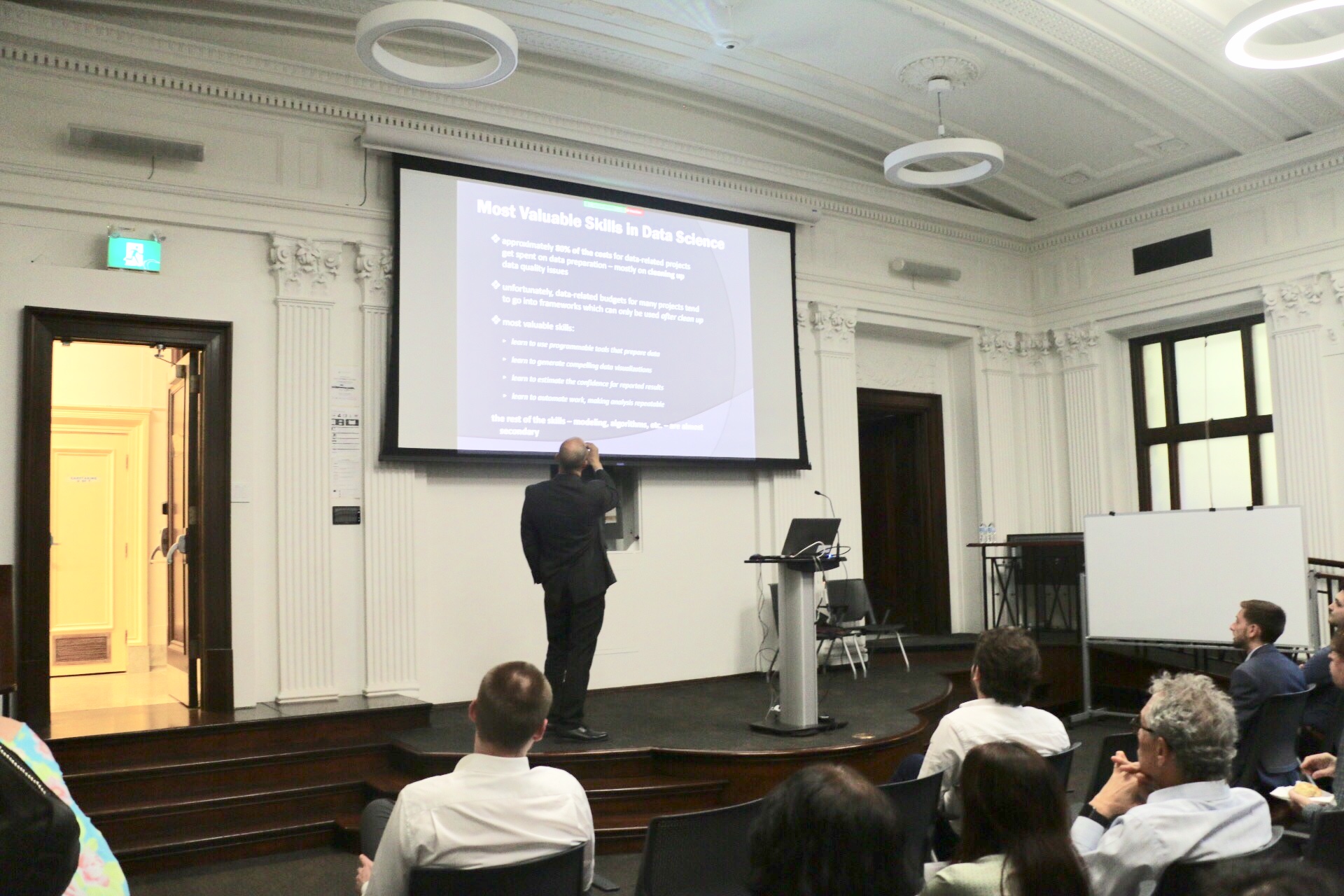
On Wednesday June 13th, MiDATA held an introductory machine learning workshop. Here are photos from the event.

Website of Prof. Pascal Tyrrell
On Wednesday June 13th, MiDATA held an introductory machine learning workshop. Here are photos from the event.

Hey everyone, it’s been a while since I posted here. In case you don’t remember me – my name is Helena Lan, and I started in Professor Pascal Tyrrell’s group as a ROP299 student. Fast forward to the present, I have finished my specialist program in pharmacology, and will be graduating with an Honours Bachelor of Science degree later this month! But if you think that I am finally leaving U of T – nope, my journey is not over yet. This August, I will be living my dream of many years as I start my MD training at U of T! As I prepare to begin the next chapter of my life, I wanted to share with you how my involvement in Prof. Tyrrell’s group paved the way for me achieving my goal today.
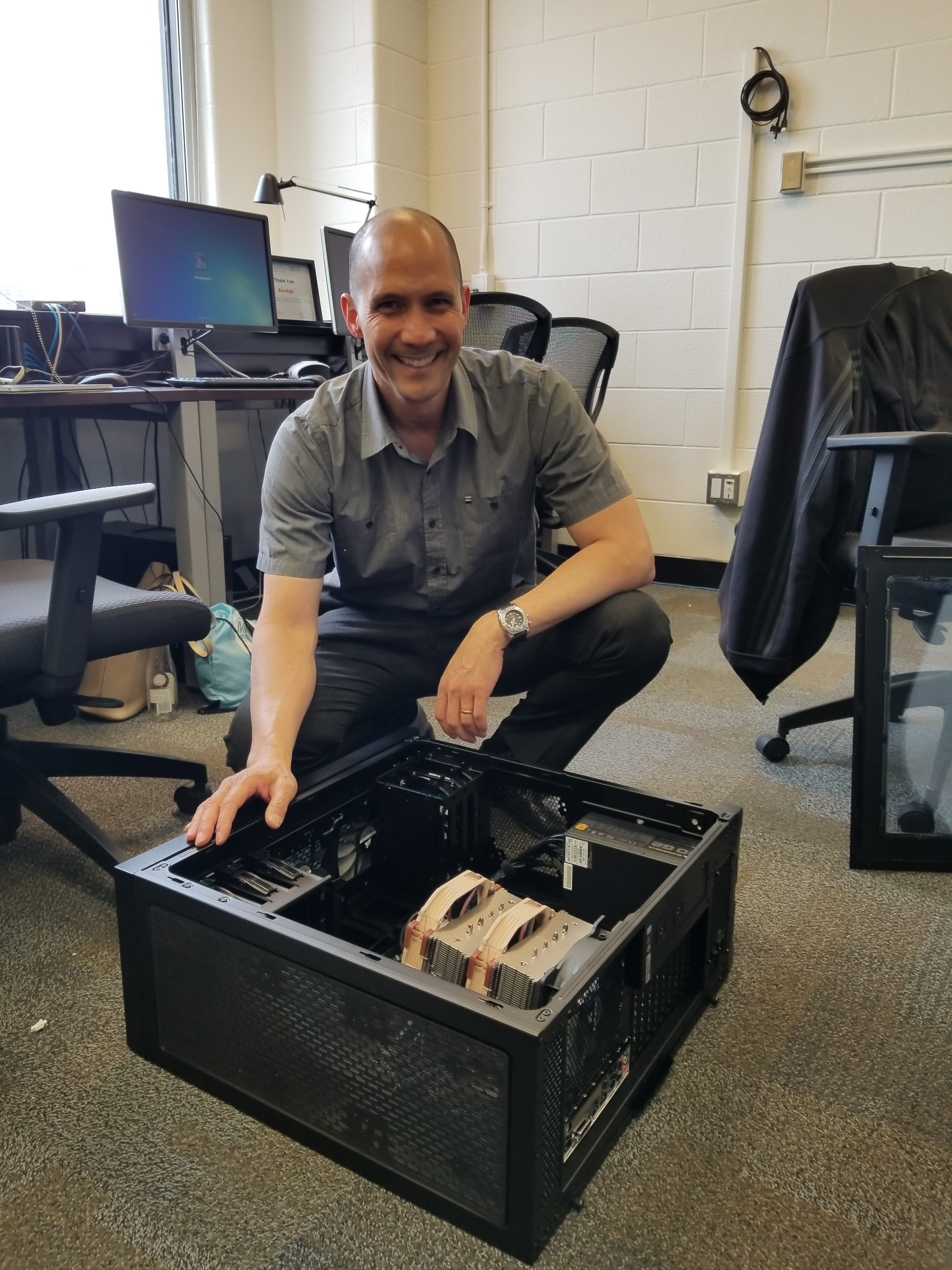
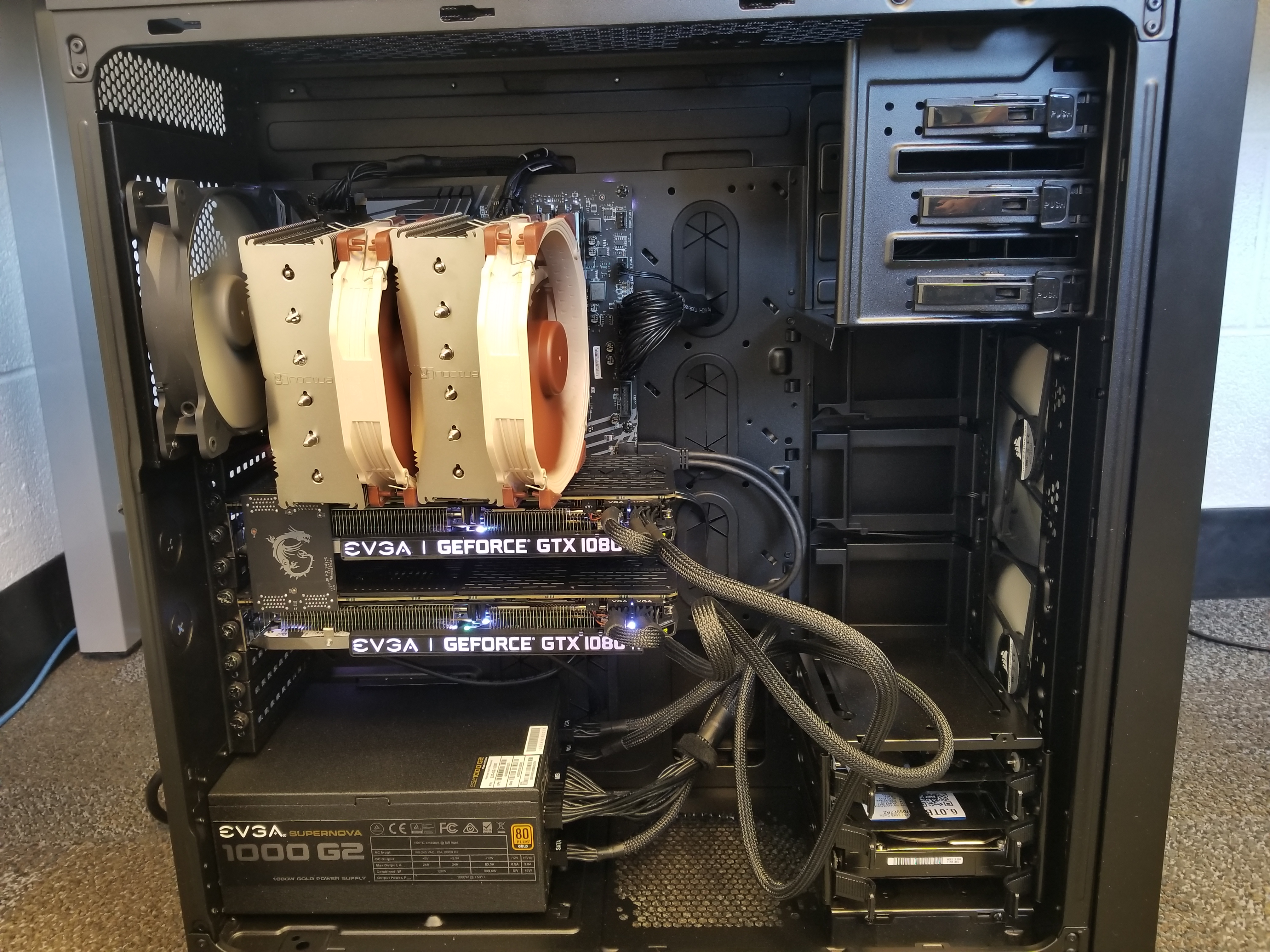
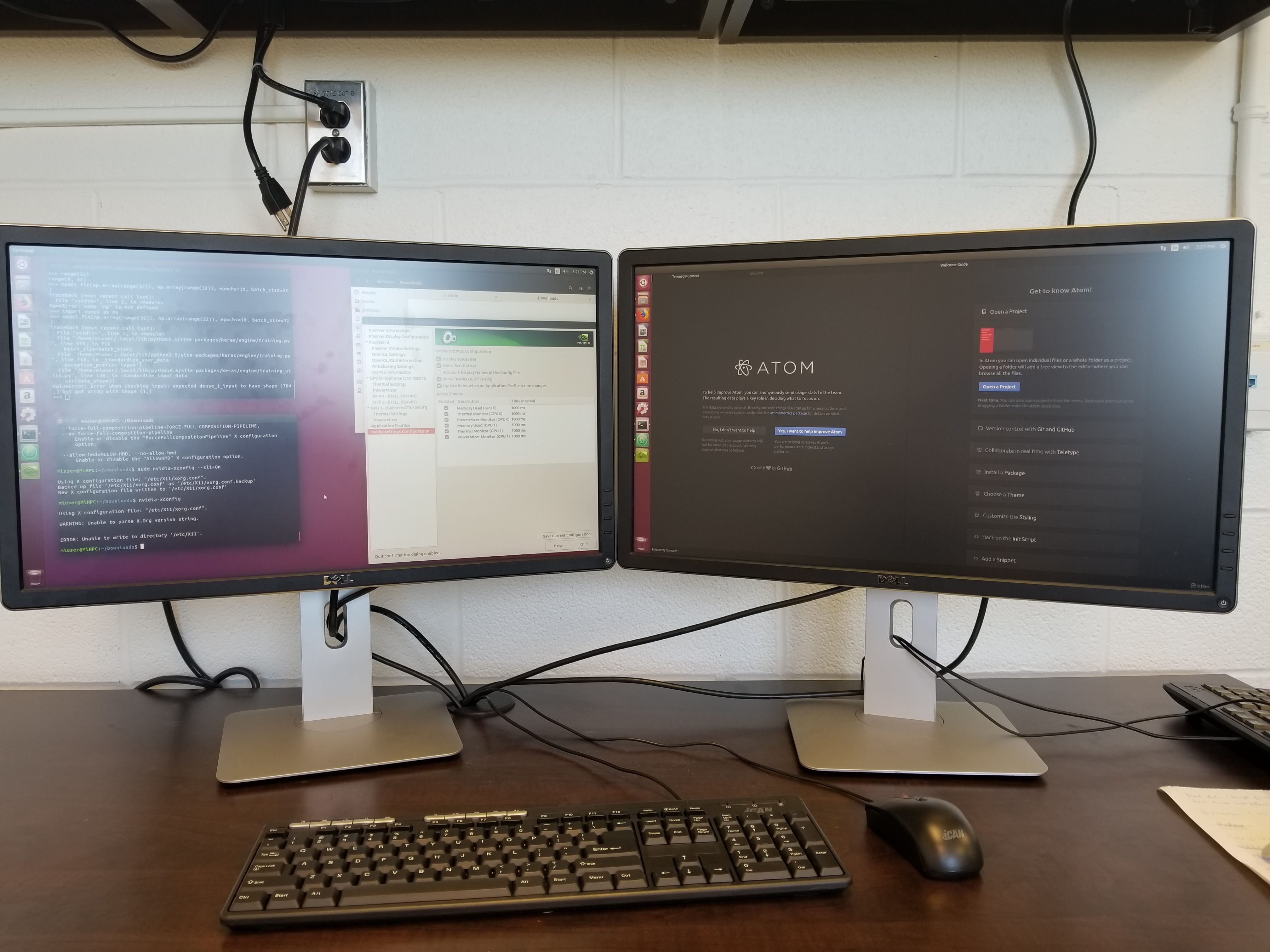
Woohoo!! The new GPU in our lab is up and running!
Here’s the specs!
CPU: Intel i7 8th gen, 6-core 12-thread
RAM: 32Gb DDR4 3400 MHz, upgradeable to 64Gb
Storage: 500Gb M2 SSD, 6TB internal HDD
GPU: 2 NVIDIA GeForce GTX 1080Ti 11Gb
OS: Ubuntu 16.04
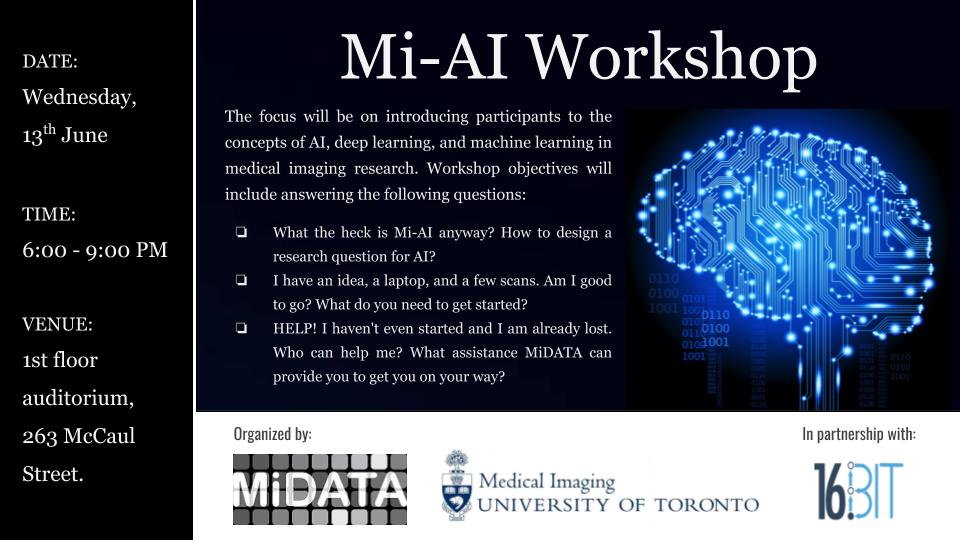
MiDATA will be offering a free Mi-AI workshop on Wednesday June 13th from 6-9 PM at 1st floor auditorium 263 McCaul Street.

My name is Samantha Santoro, and I am completing my second year in the English and Biology majors at the University of Toronto, St. George. A rather unconventional combination, when reviewing past students of Dr. Tyrrell’s lab. I was a 2017-2018 Research Opportunity Program (ROP) student in Dr. Pascal Tyrrell’s lab, and my work chiefly consisted of evaluating the internal vessel wall volumes of carotid arteries in a particular cohort of patients provided by the ongoing prospective CAIN study. My ROP was in the field of Medical Imaging. I am the co-president of the student club known as Watsi, with the main chapter based in San Francisco. I am also a special contributor to the Rare Disease Review, along with volunteering at an amalgamation of charity walks and fundraisers.
My ROP project was a turbulent experience – although that word is typically associated with a negative connotation, I regard my ROP299Y1 as one of the most humbling, interesting, and educative experiences that I have had thus far – most definitely not negative. However, to say everything went smoothly would be discrediting the lessons I learned from when things were not idyllic and smooth. My project, as aforementioned, statistically analyzed data provided by patients part of the CAIN study (an analysis that could not have existed without Dr. Tyrrell’s generous and unwavering support). My study determined that patients who were found to have IPH, or what is known as intraplaque hemorrhage, when I analyzed their MRIs, were also found to have increased vessel wall volume. This conclusion is incredibly significant, as IPH is a surrogate marker for atherosclerosis and could potentially be an indicator for patients at risk of future cerebrovascular events (namely, ischemic stroke). As strokes are currently the number three killer in the U.S and Canada alone, and heart disease number one, having a potential indicator for patients at risk of stroke would greatly benefit clinicians in their practice, as well as patients themselves.
As aforementioned, studies similar to my own are currently underway by the Canadian Atherosclerosis Imaging Network, furthering the important research in this field. The VBIRG (Vascular Biology Imaging Research Group) was the lab in which I primarily worked throughout the course of my ROP, at Sunnybrook Hospital. Moreover, I also worked on systematic reviews and reports outside of the focus of my project, in the fields of medical ethics and AI in the radiology workplace – both of which were opportunities provided to me by Dr. Tyrrell, and both of which were incredibly valuable experiences, allowing for me to broaden my knowledge of certain areas of medicine and science that are developing and expanding.
Although my project was littered with its own respective difficulties – a substantial number of drafts throughout each step of the program (more than I had ever made, even being an English student); a reluctant, but later fulfilling, acquaintanceship with the post-processing software VesselMass; and several late nights learning about the field of statistics – it is in light of these difficulties, and at present having overcome them throughout my ROP, that I remember Dr. Paul Kalanithi’s words in his memoir When Breath Becomes Air: “It occurred to me that my relationship with statistics changed as soon as I became one”. He, too, had studied Biology and English. I may not have played a lead role in the statistics I had been working with, but I can now say that understanding what they meant and how they were formulated has generated a deep respect in me for the field of statistics.
My poster was on display at the 2018 Research Opportunity Undergraduate Fair. Special thanks to Mariam Afshin, my supervisor at Sunnybrook Hospital; Bowen Zhang, for answering each question I had while at Sunnybrook; John, and the rest of the lab team; and Dr. Pascal Tyrrell, for answering my email last February and holding my interview on the same day as my Chemistry exam. Never before had I met such an – in a word – outstanding professor, and I dare say that I will never meet one like him throughout the rest of my academic journey.
Samantha Santoro

Well, I think it was inevitable. My data science lab has slowly crossed over to the dark side into the world of Machine Learning and Artificial Intelligence.
Let me apologize for being MIA for so long. Life has been pretty hectic these past months as I have been building the MiDATA program here in the Department of Medical Imaging at the University of Toronto. The good news is that the MiVIP program will now be inviting students to participate in machine learning and artificial intelligence in medical image research.
This summer will include the launch our our MiStats+ML program where we will have students from the department of statistical sciences, computer sciences, and life sciences all work together on ML/AI projects in the MiDATA lab.
Stay tuned as we ramp up and get back to some our previous threads like MiWORD of the day…
See you in the blogosphere,
Pascal
 |
| https://betakit.com/startupcfo-explains-the-long-windy-road-to-a-closed-funding-round/ |
What hour of code? What code?
The Hour of Code is a global movement reaching tens of millions of students in 180+ countries. The purpose is to to demystify “code”, to show that anybody can learn the basics, and to broaden participation in the field of computer science. Please see here for more info.
I belong to Code.org a non-profit dedicated to expanding access to computer science, and increasing participation by women and underrepresented students of color.
What is the purpose of this event?
To engage young minds and help them see the exciting possibilities computer programming can offer them in their future careers.
Who is coming?
Over 100 students (grades 7 to 11) from Central Toronto Academy (TDSB), St Francis Assisi and St Ignatius of Loyola (TCDSB).
Who will be engaging them (so far)?
University of Toronto:
MiDATA (Data Science unit from the Department of Medical Imaging)
*Prof Pascal Tyrrell – Director, Data Science
*Prof Anne Martel – Medical Biophysics (Machine Learning)
*Dr Mariam Afshin – Research Physicist
Department of Medical Imaging
*Dr Alan Moody – Radiologist and Chair of the Department
Department of Statistical Sciences
*Prof Paul Corey – Senior Biostatistician
*Chris Meaney – Biostatistician
Department of Computer Science
*Prof Steve Engels
Industry:
IBM Watson Health and Merge Healthcare
Microsoft (Big Data and Analytics)
* Sage Franch – Microsoft Canada
SAS Canada
*Mark Morreale – Lead, Academic Program
Community:
Ladies Learning Code – Yaa Otchere
Industry Support:
Google
Tyrrell lab students and Computer Science undergraduates will be acting as ambassadors.
Where and when will the event be held…exactly?
University College, University of Toronto
15 King’s College Circle
Toronto, Ontario
Interested in participating? Contact me at pascal.tyrrell@utoronto.ca!
See you all there,
Pascal Tyrrell

|
|
Surgery
|
No Surgery (control)
|
Totals
|
|
Retained
thumb function
|
7
|
6
|
13
|
|
Lost thumb function
|
3
|
4
|
7
|
|
Totals
|
10
|
10
|
20
|